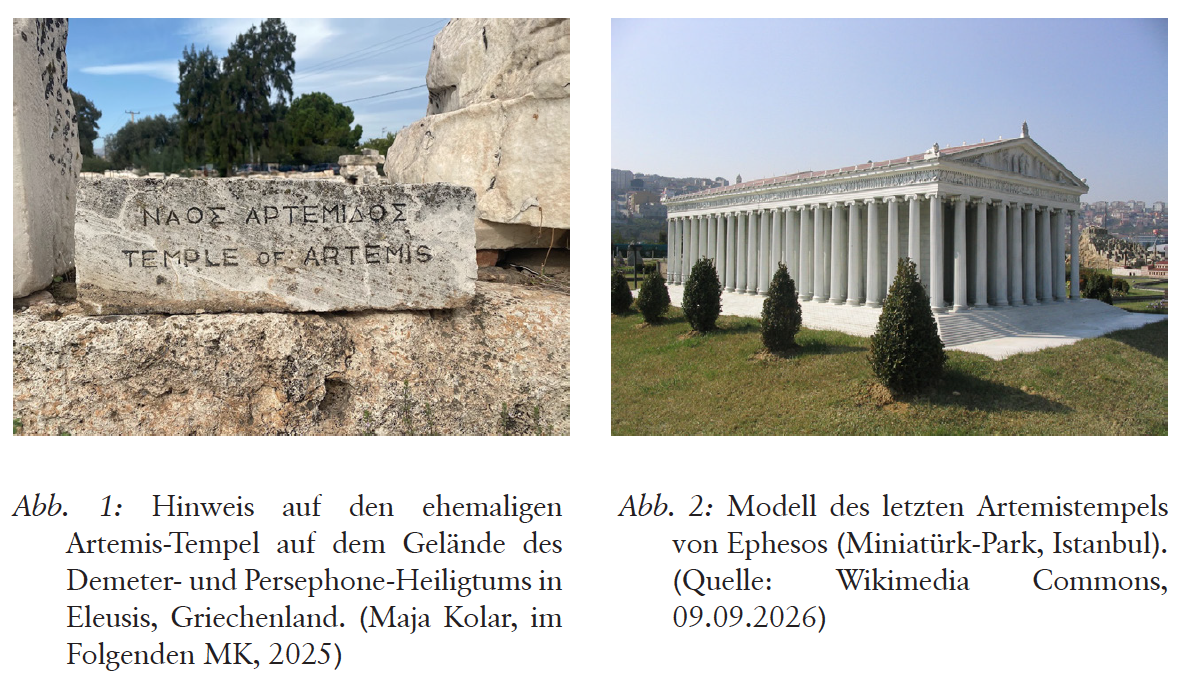
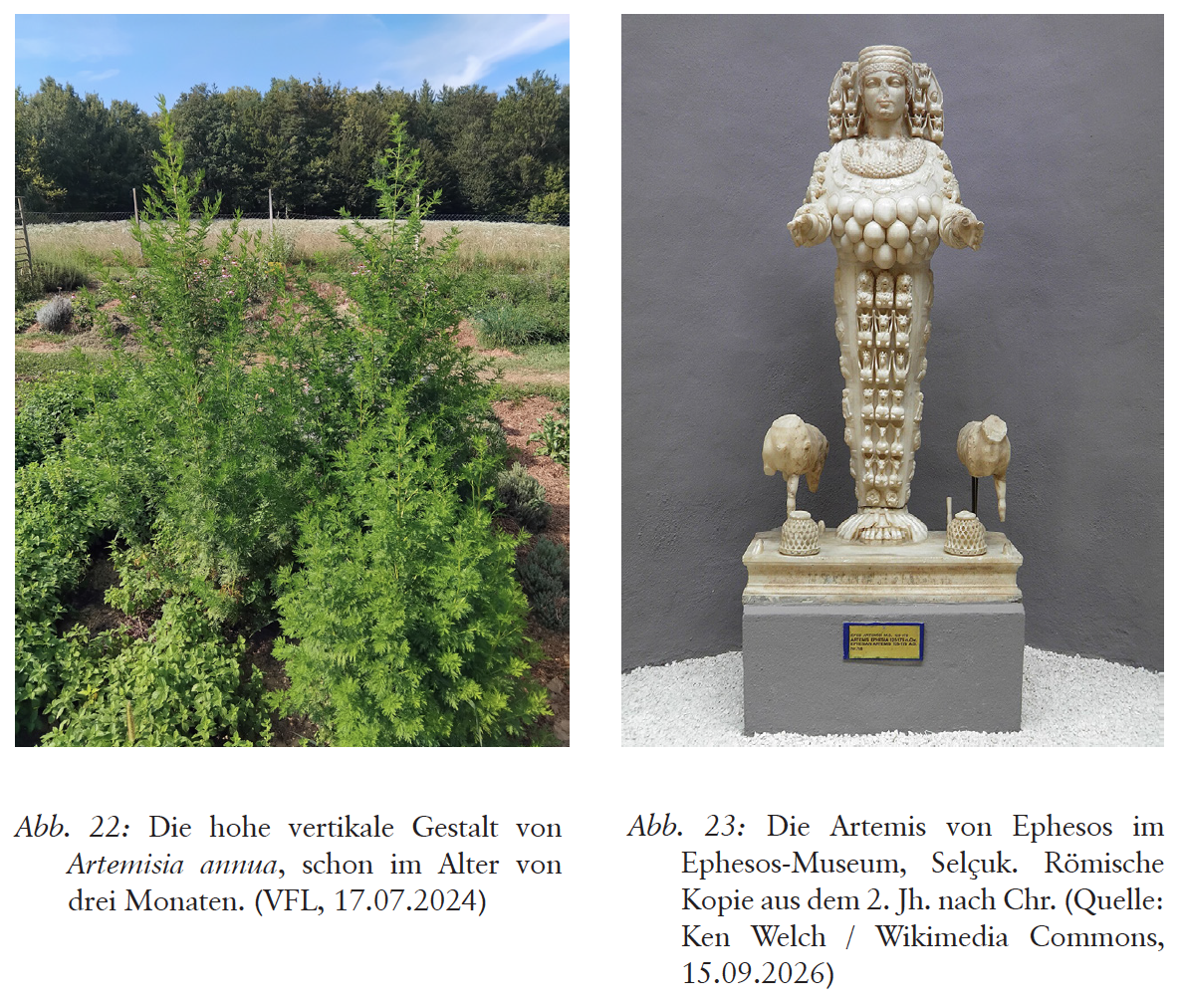
Wer ist Artemisia? Einführung: Eine goetheanistische Pflanzenbetrachtung der Gattung Artemisia
Export Article Citation as
- Plain text
- BibTeX
- RIS format
- Download price : € 6.00
Abstract:
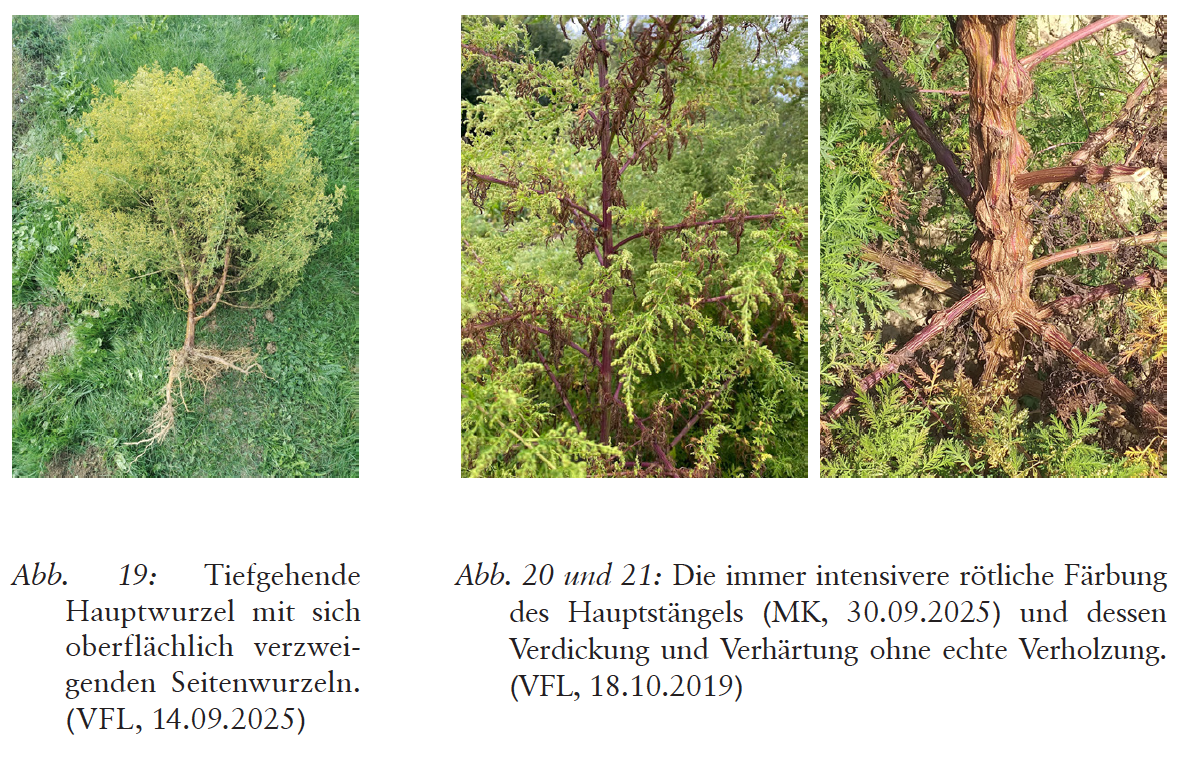
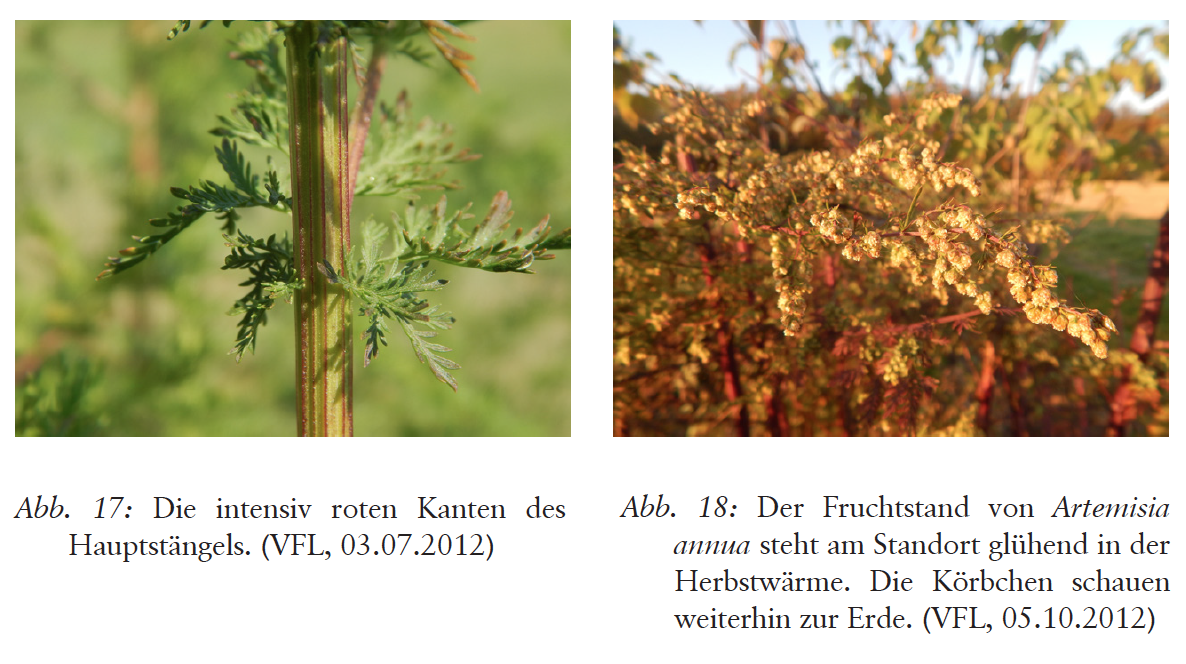
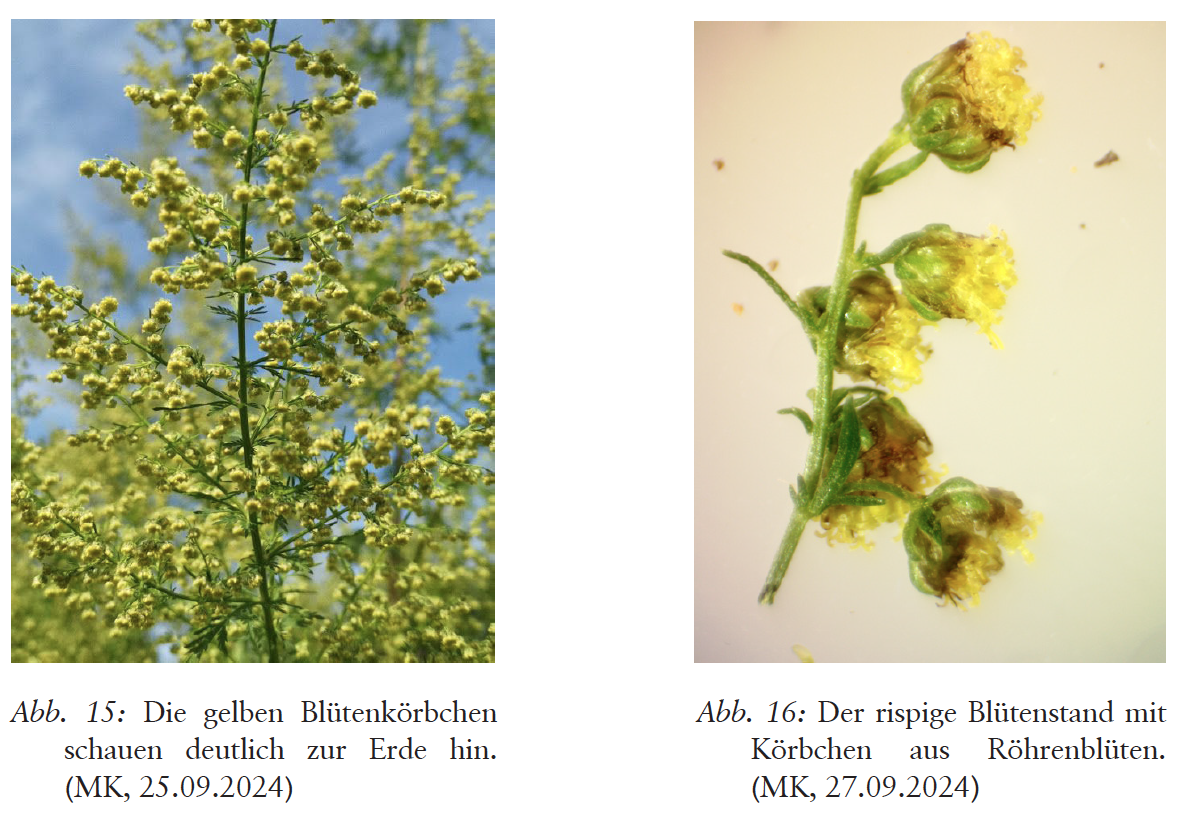
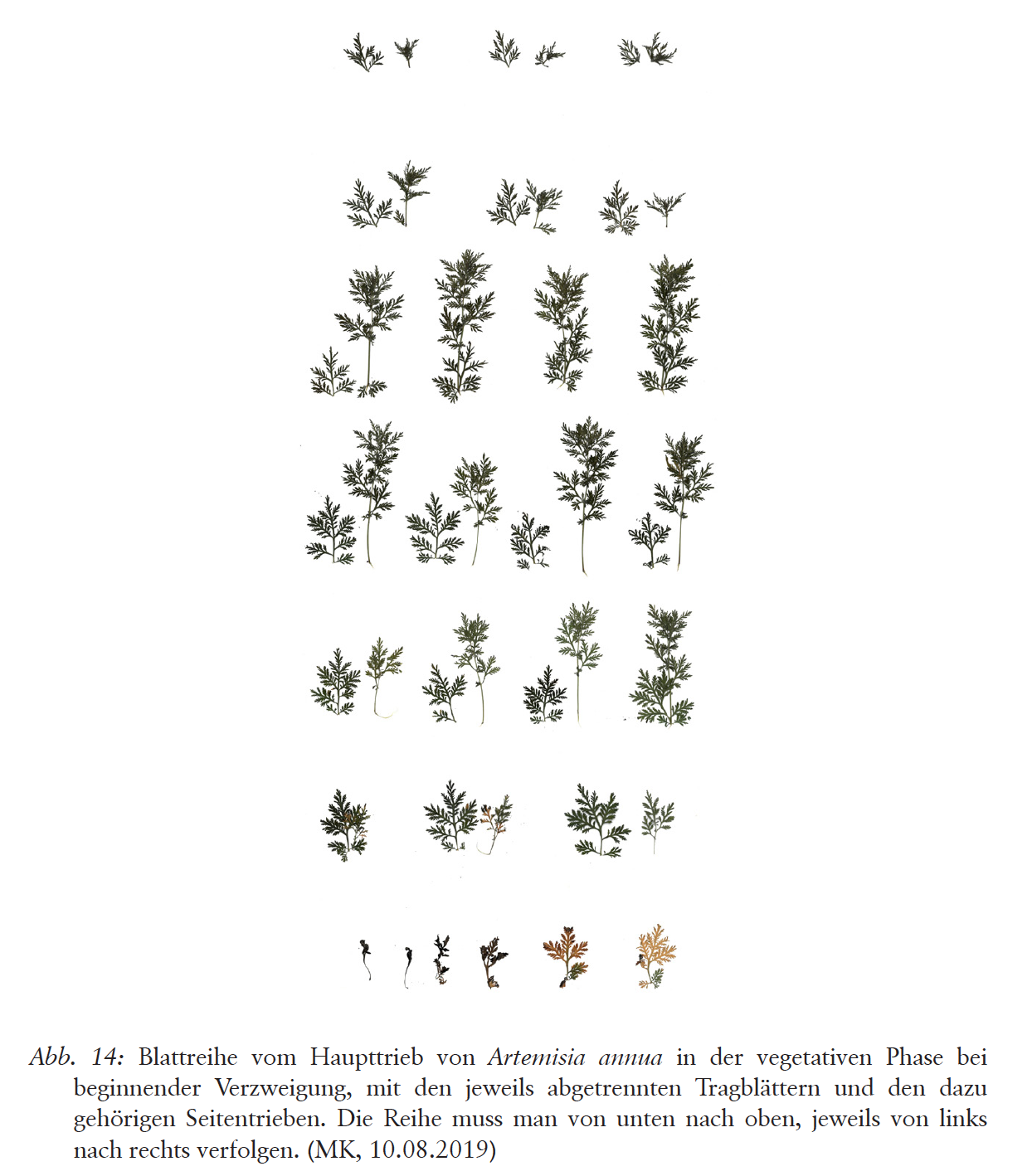
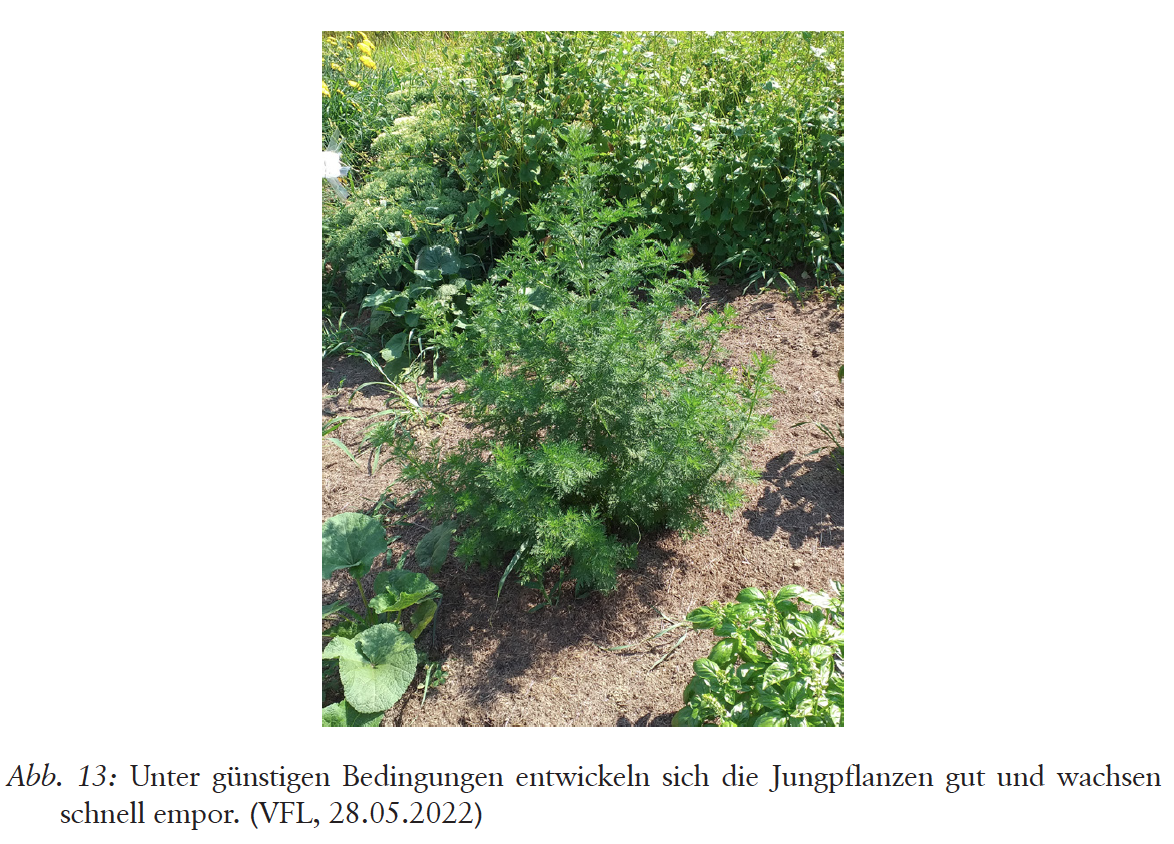
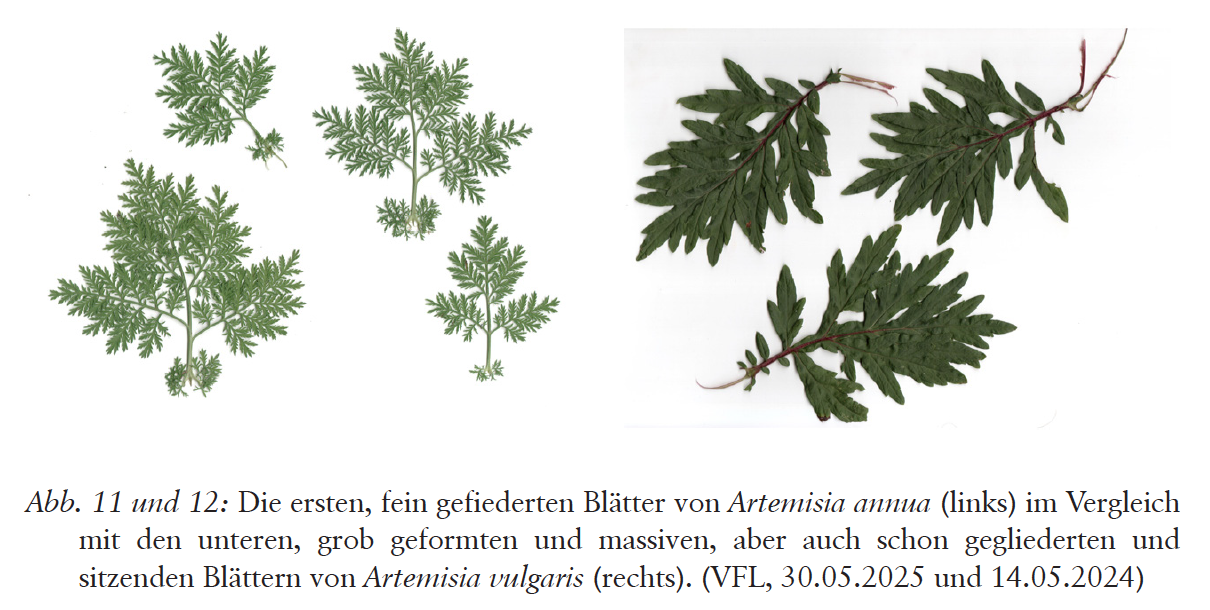
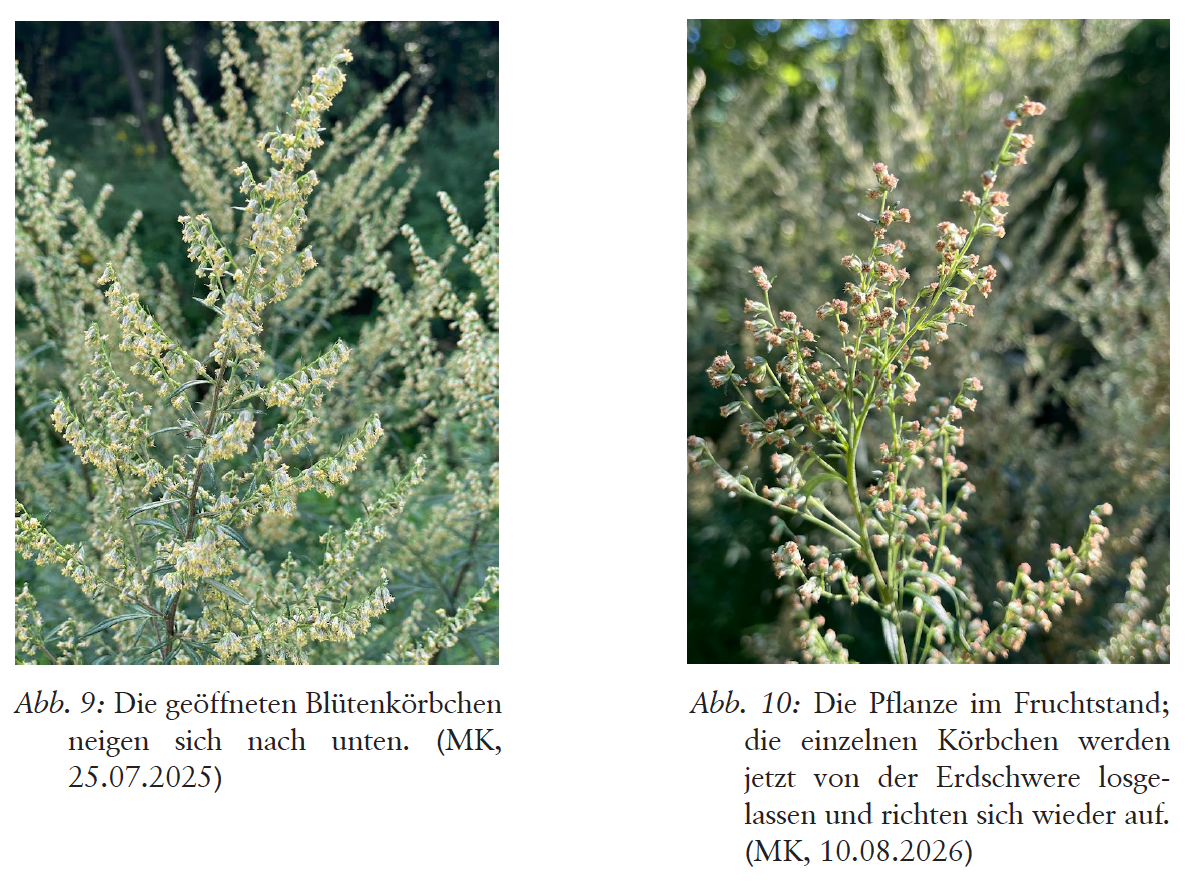
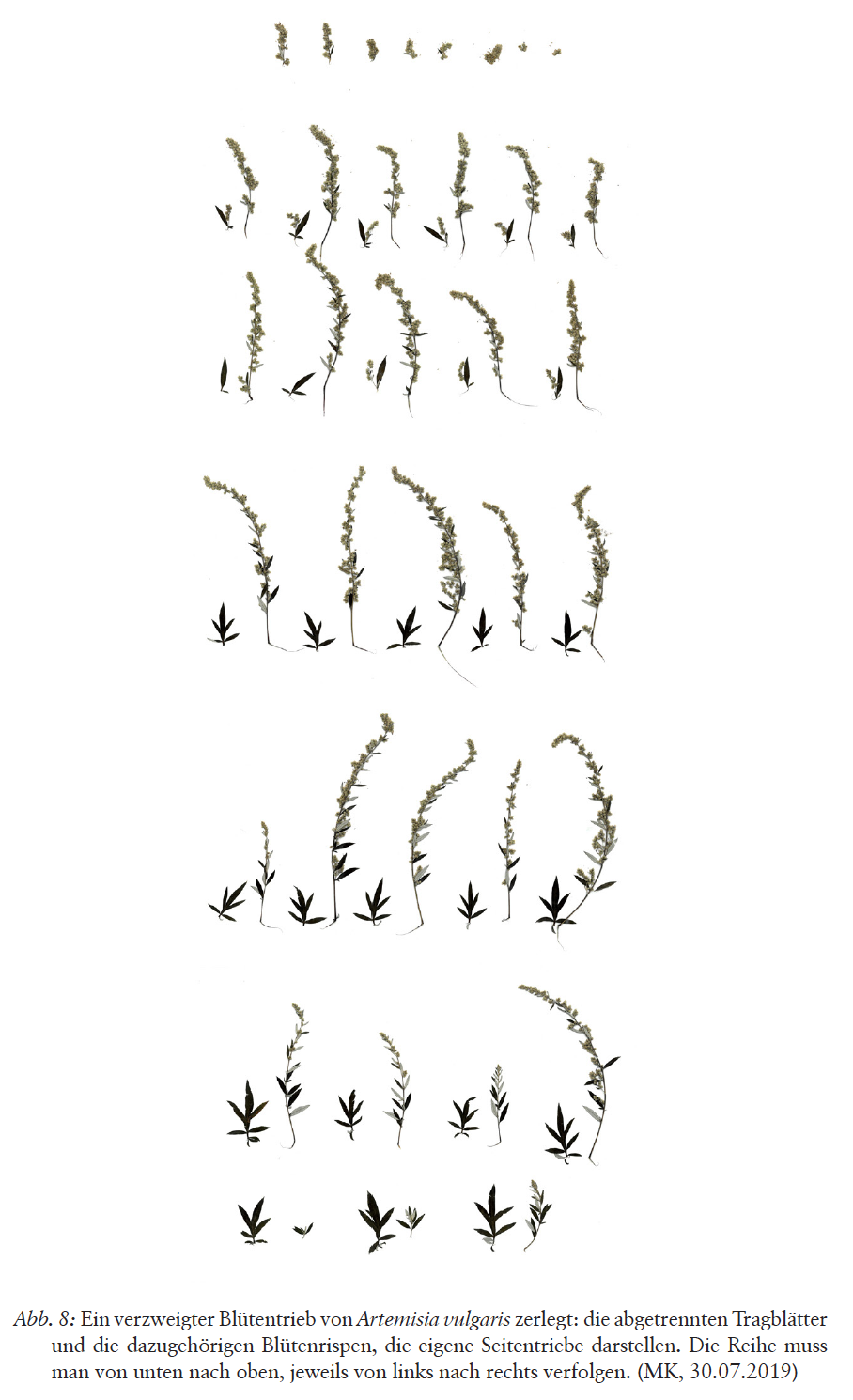
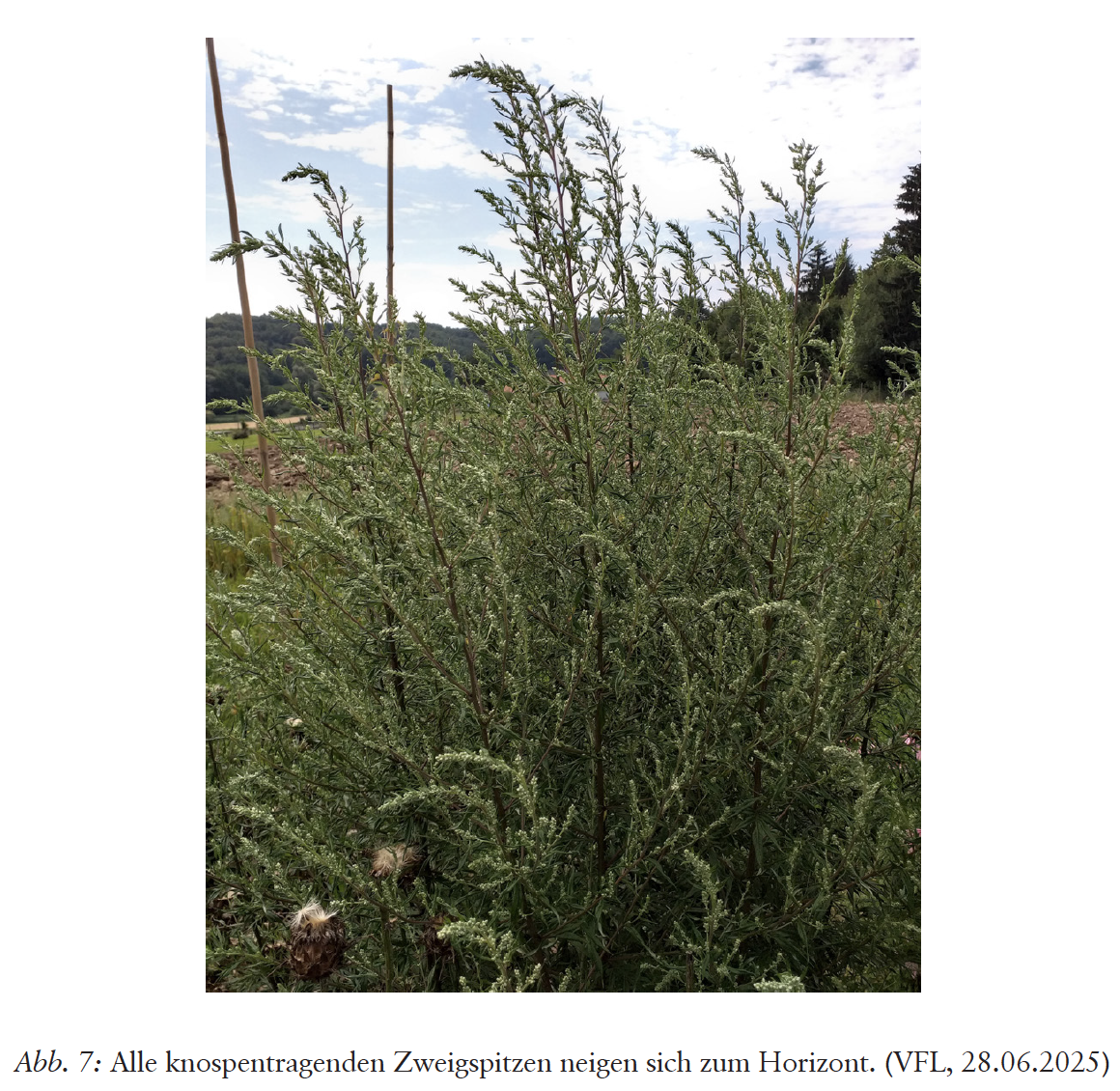
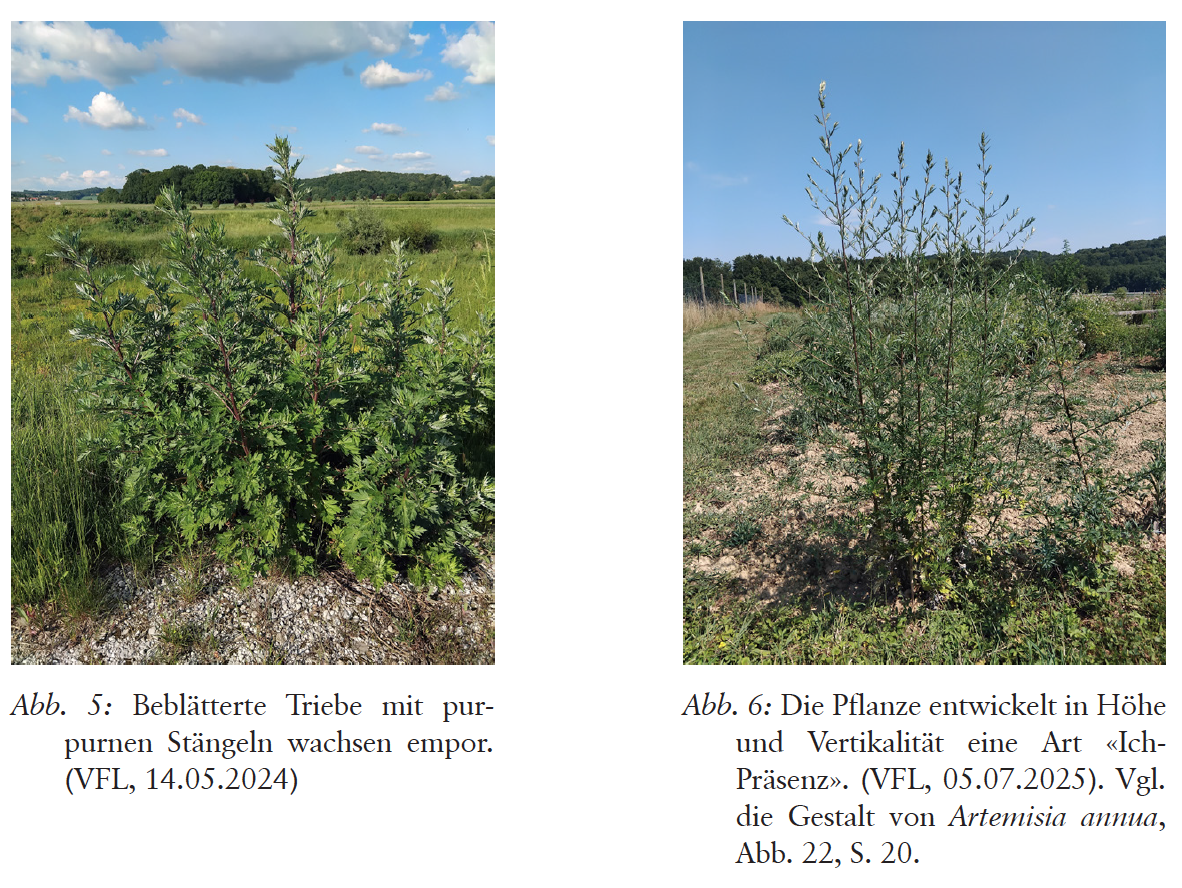
In this article, two species of mugwort – Artemisia vulgaris L. (common mugwort) and Artemisia annua L. (annual mugwort) – are examined from a Goethean perspective in relation to the key features of the Temple of Ephesus and the statue of the Greek goddess Artemis that used to be in this temple. In these species, the strong vegetative vitality is already permeated in the foliage by the blossom-like air-light processes, and both tendencies flow together, interpenetrating, into the flower and fruit regions as well. The high reproductive vigour, the pronounced verticality of growth and the bitterness are important characteristics of many plants in the mugwort genus. An understanding of the morphological, morphodynamic and substantial properties of the genus Artemisia – whose numerous species have always been regarded as essential herbs for women – sheds light on the question of why this plant was named after Artemis, the goddess of fertility and childbirth.