Schritte auf dem Weg zur Kulturwirksamkeit der CuCl2-Methode oder: Das weite Feld zwischen «Tun, was wir Wissen» und «Wissen, was wir tun»
Review
Export Article Citation as
- Plain text
- BibTeX
- RIS format
- Download price : € 6.00
Abstract:
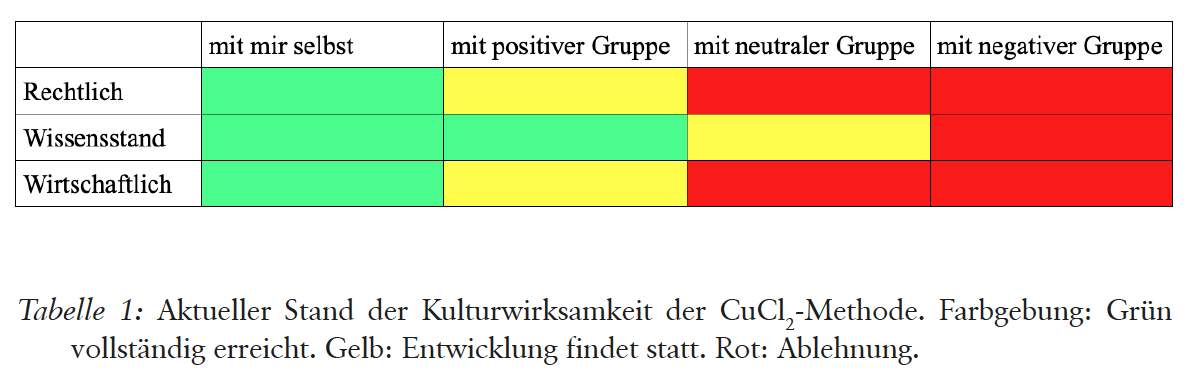
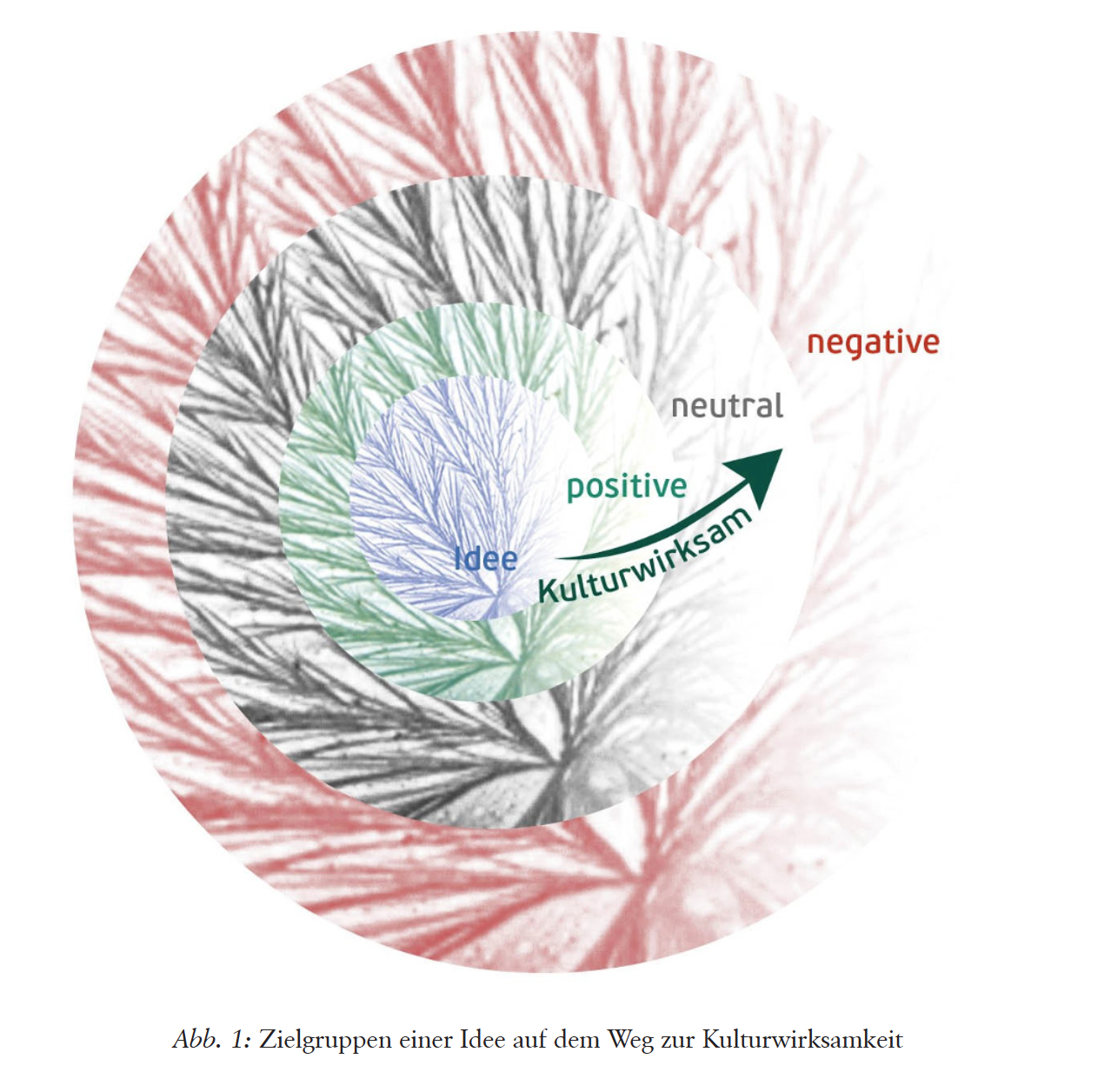
The copper chloride crystallization method (CuCl2 method) was developed around 1930 by Ehrenfried Pfeiffer and is used, for example, to provide a comprehensive assessment of a food product’s quality. To have a meaningful impact on the industry – for example, to successfully defend a quality assessment unfavorable to a company in court or to use a positive quality assessment for advertising purposes – a lengthy process is required. It is not enough to demonstrate that the quality of blinded samples can be identified; it is also necessary to understand, on the one hand, how the cognitive process occurs in humans and, on the other hand, how the CuCl2 image is formed. Along the way, it has become apparent that the results of such research can be published in peer-reviewed journals. This has led some companies to place their trust in the CuCl2 method. These companies use the method in process control and product development to ensure the quality of their products. At present, it appears that this is the path through which the CuCl2 method can have a cultural impact. The following section describes the chronological development of this path, which has been followed over the past 25 years.